

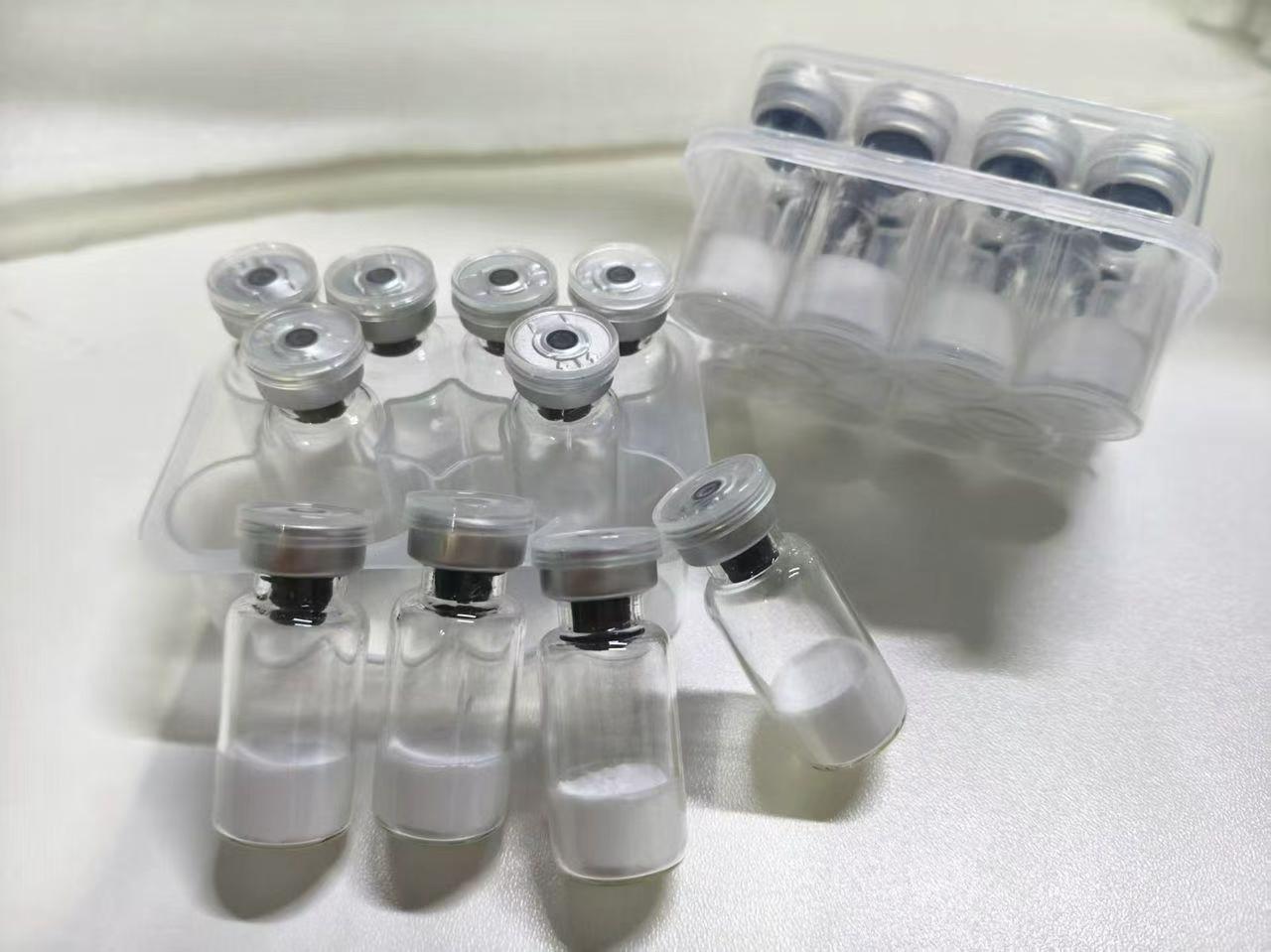

GHK-CU
$44.00 – $75.00Price range: $44.00 through $75.00
Chk-Cu, or Chrysin-Copper (Cu), is a peptide complex that combines chrysin, a natural flavonoid found in various plants, with copper ions. Chrysin is known for its potential antioxidant properties and is often studied for its effects on various biological processes. The combination with copper is believed to enhance the properties and efficacy of the chrysin.
GHK-Cu Peptide for Sale: Research Guide to GHK-Cu
If you are searching for GHK-Cu peptide for sale, understanding the compound and its research background is an important first step. GHK-Cu is a copper-binding peptide that has attracted considerable scientific interest because of its involvement in research surrounding skin biology, extracellular-matrix remodeling, tissue repair and cellular signaling.
GHK-Cu is commonly described as the copper complex of glycyl-L-histidyl-L-lysine (GHK), a naturally occurring tripeptide. Scientific literature has investigated GHK and GHK-Cu for decades, with much of the research focusing on cellular and tissue-remodeling mechanisms.
Interest in GHK-Cu peptide has also expanded into cosmetic and research applications. However, it is important to distinguish laboratory findings from proven clinical outcomes. Recent reviews continue to identify a gap between extensive preclinical research and the relatively limited amount of high-quality human clinical evidence.
Research-use notice: GHK-Cu should not be presented as an approved treatment or as a substitute for medical care. Regulatory requirements can differ according to country, formulation and route of administration. Anyone considering a research peptide should verify the applicable regulations and seek appropriate professional advice.
What Is GHK-Cu?
GHK-Cu is a copper complex formed from the tripeptide glycyl-L-histidyl-L-lysine and copper.
GHK is naturally present in the human body and has been studied in connection with tissue remodeling and repair. Research has examined how the copper-bound form, GHK-Cu, interacts with cells and extracellular-matrix components.
Because of these properties, GHK-Cu has become one of the most widely discussed copper peptides in cosmetic science and peptide research.
Scientific investigations have examined GHK-Cu in areas including:
- Extracellular-matrix remodeling
- Collagen-related processes
- Fibroblast activity
- Skin biology
- Wound-healing mechanisms
- Cellular signaling
- Angiogenesis
- Cosmetic skin research
- Peptide delivery systems
Research has shown biological activity in cellular and experimental models, but the strength of evidence varies considerably depending on the application and delivery method.
GHK-Cu Peptide Research
One of the reasons researchers continue to investigate GHK-Cu is its relationship with extracellular-matrix biology.
Laboratory studies have examined GHK-Cu’s effects on fibroblasts and components of the extracellular matrix. Research has reported effects involving glycosaminoglycan synthesis and matrix metalloproteinases, which are involved in tissue remodeling.
These findings have helped establish GHK-Cu as an interesting compound for research into cellular repair and tissue remodeling.
However, results observed in cell cultures or animal models should not automatically be interpreted as evidence of equivalent effects in humans.
That distinction is particularly important when researching products advertised as GHK-Cu peptide for sale.
What Makes GHK-Cu Different From GHK?
GHK and GHK-Cu are related but should not be treated as identical substances.
GHK refers to the tripeptide glycyl-L-histidyl-L-lysine.
GHK-Cu refers to the copper-associated complex of that peptide.
The presence of copper is an important part of the biological research surrounding GHK-Cu. Studies have investigated how the copper complex affects extracellular-matrix processes and cellular signaling.
This is why product listings should clearly identify whether the material being offered is GHK, GHK-Cu, or another copper-associated peptide.
Clear compound identification is especially important when evaluating a GHK-Cu research peptide.
Why Are People Searching for GHK-Cu Peptide for Sale?
The search term GHK-Cu peptide for sale reflects growing interest in copper peptides across research, cosmetic science and peptide communities.
Researchers and other visitors may be looking for information about:
- GHK-Cu research
- Copper peptide biology
- Skin-related research
- Extracellular-matrix remodeling
- Peptide formulation
- Laboratory investigations
- Analytical characterization
A research-oriented product page should therefore provide more than a simple purchasing message.
Useful information can include the compound identity, available analytical documentation, batch information, storage requirements and research-use designation.
Buy GHK-Cu: What Should You Look For?
People searching buy GHK-Cu or buy GHKCU may encounter products from many different suppliers.
When evaluating a research peptide, transparency is more useful than unsupported performance claims.
Clear compound identity
The product should clearly state what is being supplied.
A GHK-Cu product should not be ambiguously labeled simply as a generic “peptide” or “copper product.”
Batch information
Batch or lot information can help researchers connect a product with its corresponding analytical documentation.
Analytical testing
Where available, researchers should review appropriate laboratory testing supporting product identity and stated purity.
Testing should be considered alongside other quality information rather than treating one numerical purity percentage as a complete assessment of product quality.
Proper labeling
Research compounds should be appropriately labeled for their intended purpose and should not be misleadingly represented as approved medicines.
Storage information
Peptide stability can depend on environmental conditions, formulation and handling. Clear storage information is therefore useful for research users.
GHK-Cu and Skin Research
GHK-Cu has received substantial attention in skin research.
A number of studies have investigated its relationship with collagen, glycosaminoglycans, fibroblast activity and extracellular-matrix remodeling. Earlier research identified effects on cellular processes involved in connective-tissue biology.
This research has contributed to the popularity of GHK-Cu as a cosmetic peptide ingredient.
However, the quality and scope of clinical evidence are important considerations.
A 2025 review of topical GHK and its derivatives noted that GHK-Cu and related compounds have been widely incorporated into cosmetic products, while also highlighting limitations in published information concerning clinical effectiveness, skin permeability and formulation.
More recent systematic research similarly concludes that GHK-Cu has a substantial preclinical evidence base but that clinical research remains comparatively limited.
GHK-Cu and Tissue-Remodeling Research
Another major area of interest is tissue remodeling.
Research has examined how GHK-Cu may influence processes involving:
- Collagen
- Glycosaminoglycans
- Fibroblasts
- Matrix metalloproteinases
- Extracellular-matrix organization
- Cellular proliferation
- Angiogenesis
For example, laboratory research found that GHK-Cu stimulated glycosaminoglycan synthesis in cultured human fibroblasts.
Other research has investigated GHK-Cu’s effects on matrix metalloproteinase activity and tissue inhibitors of metalloproteinases.
These findings provide a scientific basis for continued investigation, but laboratory activity should not be confused with established therapeutic effectiveness.
GHK-Cu and Cosmetic Research
GHK-Cu is particularly well known in the cosmetic peptide field.
It has been incorporated into topical formulations and studied in connection with skin appearance and extracellular-matrix biology.
A clinical study involving skin treated with CO2 laser resurfacing found no significant objective differences between GHK-Cu and control groups for several measured outcomes, although questionnaire-based assessment reported a difference in perceived overall skin-quality improvement.
This illustrates why a careful interpretation of GHK-Cu research is important.
Individual studies may produce interesting findings without establishing that GHK-Cu is a clinically proven treatment for a particular condition.
GHK-Cu Research and Wound Healing
Wound-healing research is another area in which GHK-Cu has received attention.
Preclinical research has investigated its effects on processes associated with tissue repair and extracellular-matrix remodeling.
Researchers have studied GHK-Cu in different experimental models, including cell cultures and tissue-engineering systems.
For example, research involving GHK-Cu-coated scaffolds has examined cell adhesion, viability and proliferation in tissue-engineering models.
These studies demonstrate why GHK-Cu remains an interesting research subject, but they do not establish that purchasing a GHK-Cu peptide product will produce a specific medical outcome.
GHK-Cu Purity and Product Quality
For anyone searching for GHK-Cu peptide for sale, purity and analytical documentation are important considerations.
A research supplier should provide clear information about the material being supplied rather than relying exclusively on marketing terminology.
Depending on the product and testing available, useful documentation may include:
- Compound identification
- Batch or lot number
- Purity analysis
- Analytical testing
- Molecular characterization
- Storage information
- Product quantity
- Research-use designation
The purpose of such information is to make the research material easier to identify and evaluate.
Why Batch Testing Matters
Two products carrying the same general peptide name should not automatically be assumed to have identical characteristics.
Batch-specific documentation can help researchers determine whether the material being evaluated corresponds to the analytical information provided.
For this reason, GHK-Cu peptide suppliers should aim for transparency around batch identification and laboratory documentation.
This is especially useful when GHK-Cu is being investigated in controlled laboratory environments where reproducibility matters.
GHK-Cu Safety and Regulatory Considerations
Safety and regulatory status deserve particular attention when researching GHK-Cu.
The FDA currently states that compounded injectable GHK-Cu may present potential immunogenicity risks associated with aggregation and peptide-related impurities and notes that human safety data are limited.
The FDA’s current compounding information also distinguishes between injectable and non-injectable GHK-Cu routes in its regulatory evaluation.
Therefore, information about GHK-Cu peptide for sale should not imply that every formulation or route of administration has the same safety profile.
Anyone considering human use should consult a qualified healthcare professional and determine the regulatory status applicable to their jurisdiction.
Is GHK-Cu a Drug or a Cosmetic Ingredient?
The answer can depend on the formulation, route, jurisdiction and intended claims.
GHK-Cu is widely discussed as a cosmetic peptide ingredient, particularly in topical skin-care products. At the same time, GHK-Cu is also being investigated in scientific and pharmaceutical research.
The distinction between a cosmetic ingredient, research material and medicinal product is therefore important.
A website should avoid making therapeutic claims that are not supported by appropriate clinical evidence or regulatory authorization.
Frequently Asked Questions About GHK-Cu
What is GHK-Cu?
GHK-Cu is a copper complex of the naturally occurring tripeptide glycyl-L-histidyl-L-lysine. It has been studied extensively in relation to skin biology, tissue remodeling and extracellular-matrix processes.
What is GHK-Cu peptide used for?
GHK-Cu is researched in areas including cellular signaling, extracellular-matrix remodeling, skin biology and tissue-repair mechanisms. It is also widely discussed as a cosmetic peptide ingredient.
Where can I buy GHK-Cu?
People searching buy GHK-Cu should evaluate the supplier’s compound identification, analytical documentation, batch information, labeling and applicable regulatory requirements rather than relying solely on marketing claims.
Is GHK-Cu the same as GHK?
No. GHK is the tripeptide glycyl-L-histidyl-L-lysine, while GHK-Cu refers to its copper-associated complex.
What is a copper peptide?
A copper peptide is a peptide associated with copper ions. GHK-Cu is one of the best-known examples and has been extensively studied in skin and tissue-remodeling research.
Is GHK-Cu clinically proven?
The evidence is not uniform. GHK-Cu has substantial preclinical research, but recent reviews emphasize that high-quality human clinical evidence remains limited.
Is GHK-Cu safe?
Safety depends on the formulation, route, quality and context. The FDA has specifically identified potential safety concerns for compounded injectable GHK-Cu and notes limited human safety data.
What should I look for when buying GHKCU?
When searching buy GHKCU, consider clear compound identification, batch information, analytical documentation, appropriate labeling and transparent supplier information.
Final Thoughts on GHK-Cu Peptide for Sale
The search for GHK-Cu peptide for sale reflects growing interest in one of the most extensively discussed copper peptides in cosmetic and research communities.
GHK-Cu has a substantial scientific literature examining its relationship with extracellular-matrix remodeling, collagen-related processes, fibroblast activity, tissue repair and skin biology.
At the same time, the available evidence should be interpreted carefully. Recent reviews highlight the difference between promising preclinical findings and the smaller body of rigorous human clinical evidence.
For anyone researching buy GHK-Cu, buy GHKCU, or GHK-Cu peptide, product transparency should be a priority. Clear identification, appropriate analytical documentation, batch information and accurate research-use labeling provide a stronger foundation than unsupported promises.
Grey Peptide Market provides research-oriented information about peptides such as GHK-Cu while emphasizing transparent product information and responsible research practices.
GHK-Cu should not be presented as a substitute for approved medical treatment. Always check applicable laws and regulations and consult a qualified healthcare professional for medical questions.
| MG | 100mg*10vials, 50mg*10vials |
|---|
Reviews
There are no reviews yet.
Be the first to review “GHK-CU”