


Description
Adipotide Peptide: Benefits, Dosage, Research & Safety
Adipotide peptide is an experimental research compound that has attracted attention because of its investigation into adipose tissue, body weight, and metabolic biology. Unlike conventional weight-management medicines that primarily influence appetite or metabolic signaling, adipotide has been researched around a targeted approach involving the blood vessels associated with adipose tissue.
Interest in adipotide has increased as researchers continue exploring peptide-based approaches to metabolic and obesity-related research. At the same time, information available online can sometimes blur the distinction between experimental research findings and established medical evidence.
This guide provides an overview of adipotide peptide, including its proposed mechanism, research findings, potential benefits, dosage considerations, safety questions, and what to consider when researching products marketed as adipotide for sale.
What Is Adipotide Peptide?
Adipotide is an experimental peptide investigated primarily for its potential effects on adipose tissue and related biological processes.
The compound became particularly interesting to researchers because of a targeted approach involving molecular features associated with the vasculature of fat tissue. Instead of functioning primarily as an appetite suppressant, adipotide has been investigated for its potential ability to interact with biological structures associated with adipose tissue.
Early preclinical research generated interest after researchers observed changes in body weight and adipose tissue in experimental models. Subsequent early human investigation contributed to continued interest, although the available human evidence remains limited.
For this reason, adipotide should be understood as a research compound rather than an established treatment for obesity or weight management.
Adipotide and Adipose Tissue Research
One of the defining characteristics of adipotide research is its relationship with adipose tissue.
Adipose tissue requires an extensive vascular network to provide oxygen and nutrients and to remove metabolic waste. Researchers have investigated whether certain molecular markers within this vascular system can be selectively targeted.
This led to research into peptide-based compounds capable of recognizing specific vascular targets associated with adipose tissue.
Adipotide emerged from this research concept and became the subject of preclinical studies examining whether targeting these structures could influence adipose tissue.
The underlying concept is different from simply reducing food intake. It represents an investigation into whether changes to the biological environment supporting adipose tissue could influence fat-related processes.
How Does Adipotide Work?
The proposed mechanism of adipotide is one of the reasons it has attracted scientific interest.
Research has focused on the ability of the peptide to interact with specific molecular targets associated with blood vessels supplying adipose tissue.
The general research concept can be described as:
Target recognition → interaction with adipose-associated vasculature → downstream effects on adipose tissue
This proposed mechanism differs from medications that act primarily through appetite pathways, gastrointestinal signaling, or incretin receptors.
However, the mechanism should not be interpreted as proof of a clinically established treatment effect. Experimental mechanisms require extensive validation before they can be translated into routine medical use.
Adipotide Peptide Benefits
Search interest surrounding adipotide peptide benefits has grown considerably, particularly among people researching experimental approaches to body-weight and metabolic biology.
However, it is important to distinguish between potential research applications and proven medical benefits.
Research Into Body Weight
One of the main reasons adipotide has attracted attention is its investigation in relation to body weight.
Preclinical studies have reported reductions in body weight in experimental models following exposure to adipotide. These findings contributed to interest in the peptide as a possible research tool for studying obesity and adipose biology.
Animal research, however, cannot automatically establish that the same effects will occur in humans.
Research Into Adipose Tissue
Adipotide has also been investigated because of its potential relationship with adipose tissue.
Researchers have explored whether targeting the vascular environment associated with fat tissue could produce measurable changes within adipose compartments.
This makes adipotide relevant to researchers studying the biological mechanisms involved in adipose tissue regulation.
Metabolic Research
Another area of interest involves metabolic biology.
Changes in body composition and adipose tissue can affect multiple physiological processes. Consequently, researchers have examined adipotide in broader studies involving obesity and metabolic function.
More extensive human research would be necessary to determine the significance of these findings.
Targeted Peptide Research
Adipotide is also notable as an example of targeted peptide research.
Rather than relying exclusively on systemic effects, the research concept involves directing a peptide toward specific molecular characteristics associated with a particular tissue environment.
This approach may be relevant to future investigations into targeted therapies and peptide-based drug development.
What Does the Research Actually Show?
When evaluating adipotide, it is important to separate three different categories of information:
Preclinical evidence: findings obtained through laboratory and animal research.
Early human research: preliminary studies involving people that may provide initial information about tolerability and biological effects.
Established clinical evidence: evidence derived from sufficiently large and well-controlled clinical research demonstrating safety and efficacy.
Most of the excitement surrounding adipotide comes from the first two categories rather than from a large body of established clinical evidence.
That distinction matters when evaluating claims made on websites, forums, social media, and product listings.
A research observation is not automatically a medical recommendation.
Adipotide Dosage: Understanding Research Protocols
Adipotide dosage is one of the most commonly searched subjects related to this peptide.
However, there is no universally established consumer dosage that should be treated as a standard for self-administration.
Research studies may use defined experimental dosing protocols based on the objectives of the study, the formulation being investigated, participant characteristics, monitoring procedures, and other scientific considerations.
Those research parameters should not automatically be converted into instructions for personal use.
Why Adipotide Dosage Information Can Be Misleading
Online sources sometimes publish simplified dosage schedules without explaining the context in which the information originated.
That can create several problems.
A dosage reported in an experimental study may have been associated with:
- a specific formulation;
- a controlled research environment;
- defined inclusion criteria;
- medical monitoring;
- laboratory testing;
- a specific treatment duration;
- predefined stopping criteria.
Using the same number outside that environment does not guarantee the same exposure, safety, or outcome.
For this reason, dosage information should always be interpreted in the context of the underlying research rather than treated as a general dosing recommendation.
Adipotide Safety Considerations
Safety is particularly important when discussing an experimental peptide.
Approved medicines generally have extensive information concerning dosing, contraindications, adverse effects, interactions, and long-term safety. Experimental compounds may not have the same depth of evidence.
Potential concerns when evaluating adipotide research include:
- limited human data;
- incomplete information about long-term exposure;
- uncertainty surrounding different formulations;
- differences between research materials;
- potential administration-related complications;
- unknown interactions;
- quality and identity of products sold through unverified sources.
This is why responsible information about adipotide should avoid presenting the compound as universally safe or suitable for everyone.
Why Product Quality Matters
Anyone researching experimental peptides will encounter significant differences between suppliers and product descriptions.
A product label alone cannot establish purity, identity, potency, or stability.
Research-oriented buyers should look for transparent information such as:
- product identity;
- batch information;
- analytical testing;
- certificate of analysis documentation where available;
- stated purity;
- storage requirements;
- handling information;
- supplier transparency.
Independent analytical testing can provide additional information about the composition of a research material.
This is particularly important because experimental peptide research depends on knowing what material is actually being studied.
Adipotide for Sale: What Should You Know?
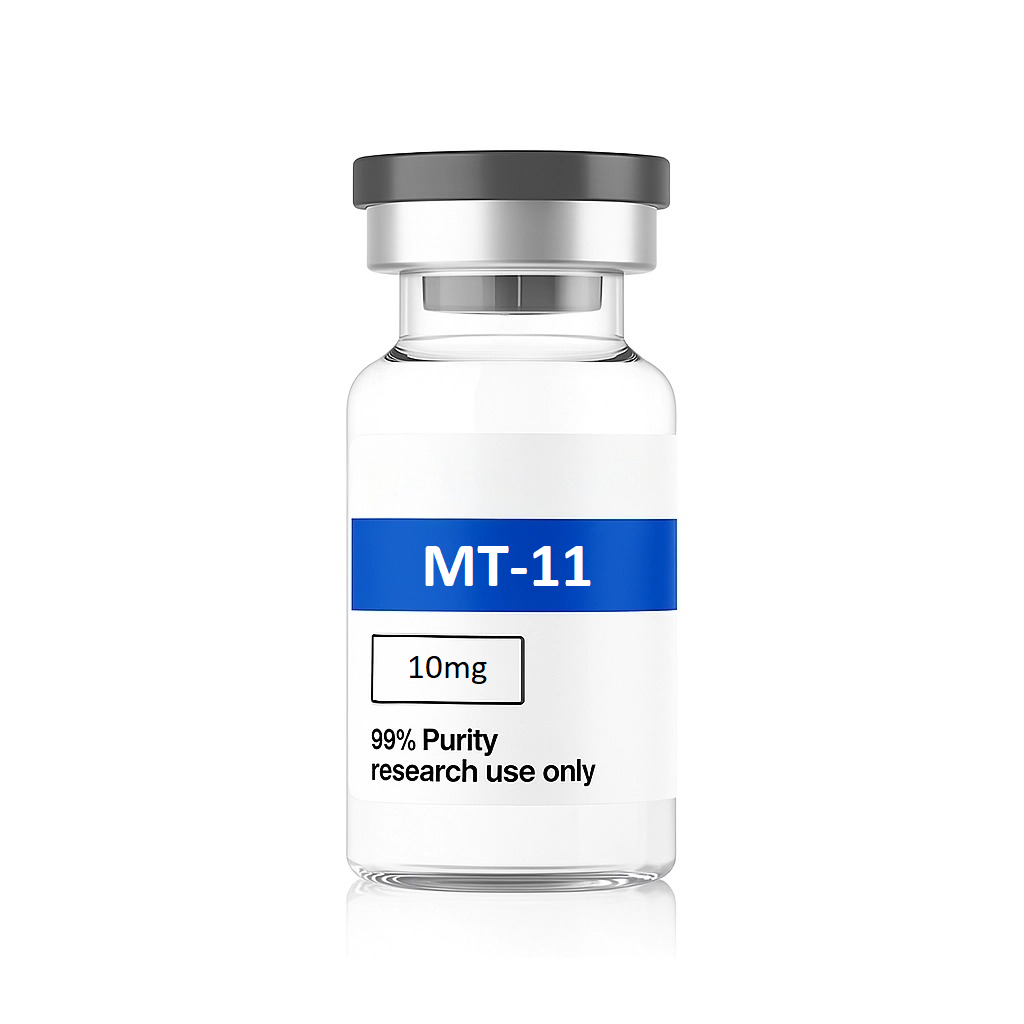
The phrase “adipotide for sale” has clear commercial search intent, but purchasing an experimental research peptide requires more consideration than simply comparing prices.
Online listings can differ significantly in the amount of information they provide.
When evaluating a research supplier, consider whether the website provides clear information about the product and its intended research use.
Useful information can include:
Product identification
The supplier should clearly identify the compound rather than using vague or ambiguous terminology.
Purity information
A stated purity percentage can be useful, but buyers should also consider whether supporting analytical documentation is available.
Testing documentation
Batch-specific testing and analytical information can provide greater transparency than generic marketing claims.
Storage information
Peptides can be sensitive to environmental conditions. Appropriate storage information is therefore an important part of responsible product documentation.
Research-use labeling
Experimental peptides should be clearly distinguished from approved medicines.
A website should not imply that an experimental product is an approved treatment simply because it is available for purchase.
How to Evaluate Adipotide Claims Online
The popularity of adipotide has produced a large amount of online content, but not all of it has the same evidentiary value.
When reading an article or product description, ask:
Is the claim based on laboratory research, animal research, human research, or speculation?
Does the source provide references?
Is the information describing a research finding or making a medical promise?
Does the source distinguish between experimental and approved applications?
Are safety limitations clearly explained?
These questions can help readers separate useful research information from unsupported marketing claims.
Adipotide Compared With Conventional Weight-Management Medicines
Adipotide should not be automatically grouped with established weight-management medications.
Different compounds can influence body weight through completely different biological pathways.
For example, some approved medications influence appetite, satiety, glucose regulation, or gastrointestinal signaling. Adipotide research, in contrast, has focused on targeted adipose-associated vascular biology.
Therefore, similarities in marketing language such as “weight loss peptide” do not mean that two compounds have equivalent mechanisms, evidence, safety profiles, or regulatory status.
Is Adipotide a Weight-Loss Medication?
Adipotide should not be described as an established weight-loss medication.
The compound has been investigated experimentally in connection with body weight and adipose tissue, but research interest does not establish regulatory approval or clinical effectiveness.
Anyone researching adipotide should therefore distinguish between:
Experimental research: investigating whether a biological mechanism works.
and
Clinical treatment: using an approved intervention for a diagnosed medical condition under appropriate medical supervision.
Those are fundamentally different contexts.
Adipotide Research and the Future of Peptide Science
Adipotide represents an interesting example of how peptide research can move beyond traditional hormone-like mechanisms.
Researchers have increasingly investigated whether peptides can be designed to recognize particular molecular targets and influence specific tissues.
The adipotide research concept raises broader questions about:
- targeted drug delivery;
- adipose-tissue biology;
- vascular targeting;
- peptide engineering;
- obesity research;
- metabolic disease;
- tissue-specific therapeutic approaches.
Future research could provide greater insight into whether these concepts can eventually be developed into clinically useful treatments.
However, additional studies would be needed to establish efficacy, safety, appropriate dosing, long-term outcomes, and clinical relevance.
Frequently Asked Questions
What is adipotide peptide?
Adipotide peptide is an experimental research compound investigated primarily in relation to adipose tissue, body weight, and metabolic biology.
What are the potential adipotide peptide benefits?
Research has investigated adipotide in relation to body weight, adipose tissue, body composition, and metabolic processes. These research findings should not be interpreted as established clinical benefits.
What is adipotide dosage?
There is no universally established consumer dosage that can be recommended as a standard for self-administration. Research dosing should be interpreted within the specific experimental protocol in which it was studied.
Is adipotide approved for weight loss?
Adipotide should be regarded as an experimental research compound rather than an established approved weight-loss medication.
Is adipotide the same as a GLP-1 medication?
No. Adipotide has been investigated through a different biological approach involving adipose-associated vascular targets, whereas GLP-1 medicines act through incretin-related pathways.
Why do people search for adipotide for sale?
Interest in adipotide for sale is largely connected with research-peptide markets and scientific interest in the compound. Availability from an online supplier does not establish that a compound is approved for human therapeutic use.
Why is purity important when researching adipotide?
The identity and composition of an experimental material are important variables in research. Analytical testing and appropriate documentation can help researchers evaluate the material being studied.
Can adipotide research results be applied directly to humans?
Not automatically. Results from laboratory and animal research require appropriate human clinical research before conclusions about human efficacy or safety can be established.
Conclusion
Adipotide peptide remains an interesting subject within experimental peptide research because of its distinctive approach to adipose tissue and vascular biology.
Research has explored its potential relationship with body weight, adipose tissue, and metabolic processes, but the available evidence should be interpreted carefully. Searches for adipotide peptide benefits, adipotide dosage, and adipotide for sale can lead to claims that extend beyond what current research establishes.
The most useful way to understand adipotide is to view it through the evidence: an experimental peptide that has generated scientific interest, but one that should not be confused with an established medical treatment.
For anyone researching adipotide, product transparency, analytical documentation, scientific references, and a clear distinction between research and medical use are essential considerations.




Reviews
There are no reviews yet.