
Description
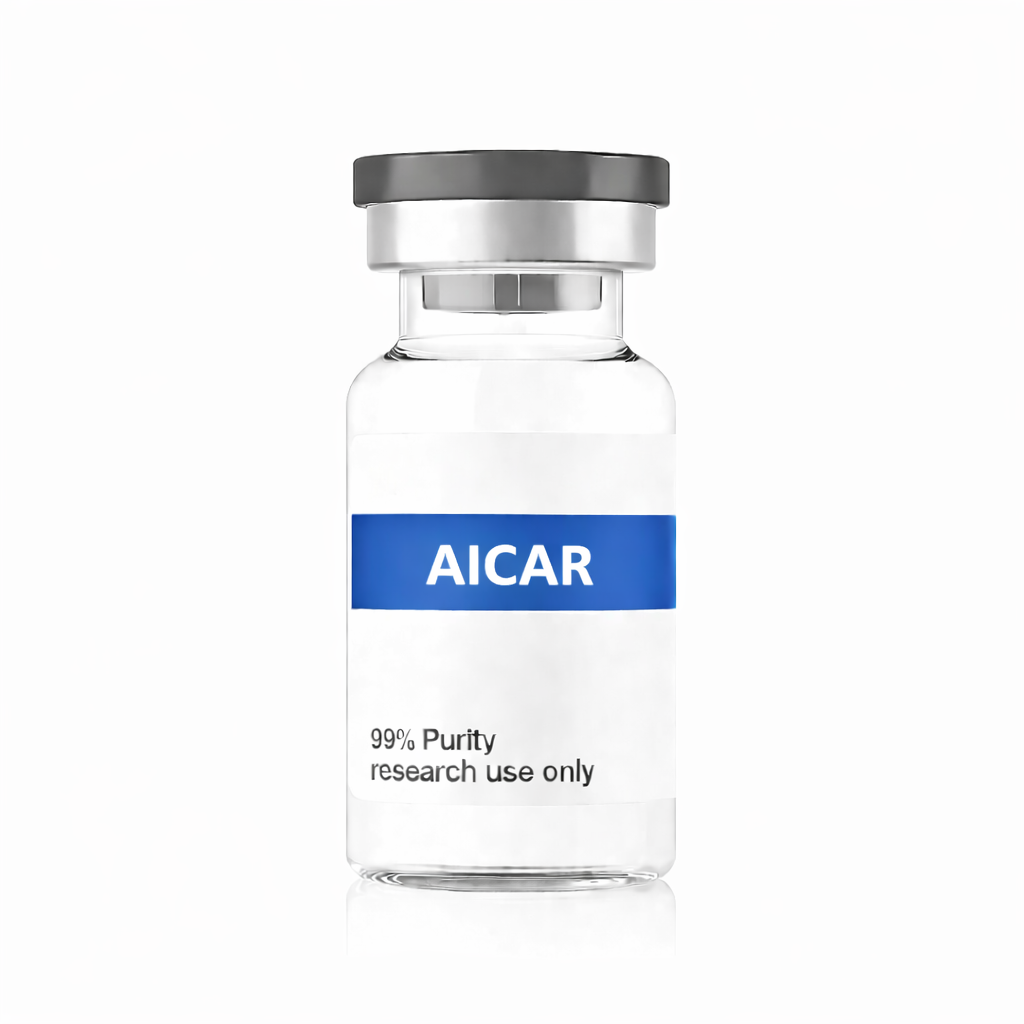
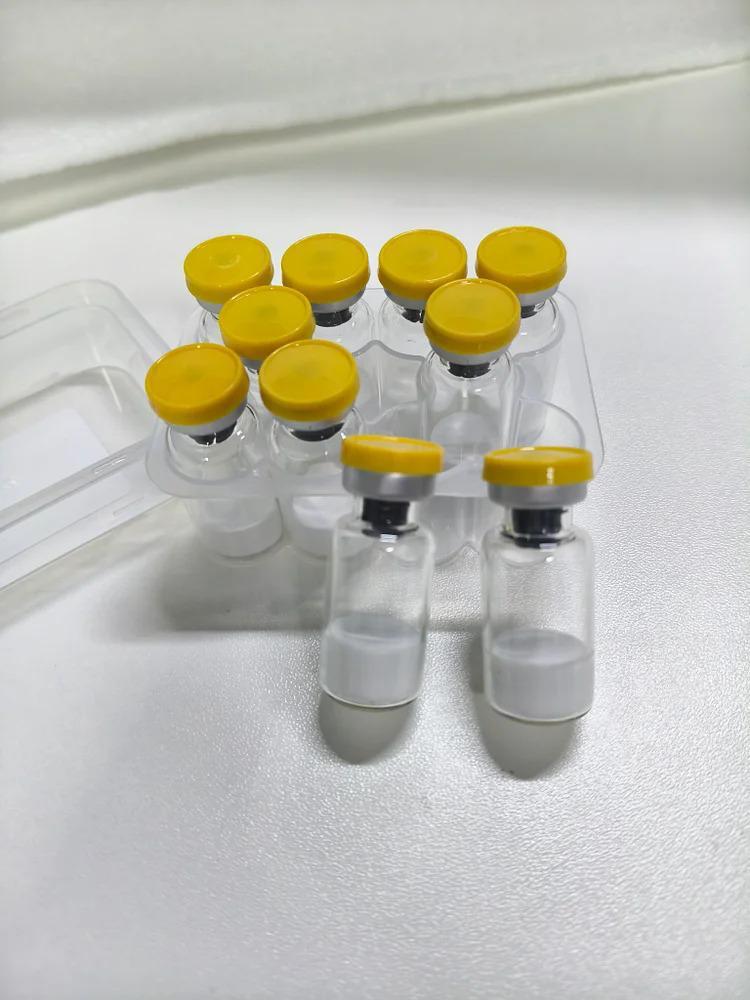
AICAR for Sale – AICAR Peptide Research Compound
AICAR is a research compound widely studied for its interaction with AMP-activated protein kinase (AMPK), an important cellular pathway involved in energy balance and metabolism. Researchers interested in cellular energy regulation, glucose metabolism, lipid metabolism and exercise physiology frequently investigate AICAR in laboratory settings.
If you are researching AICAR for sale, it is important to understand what AICAR is, how it is studied, what researchers mean when they refer to an AICAR peptide, and what the existing scientific evidence actually shows.
AICAR is also known as AICA riboside, acadesine, or 5-aminoimidazole-4-carboxamide riboside. Although it is commonly described as an AICAR peptide in online searches, AICAR is more accurately characterized as a nucleoside analogue rather than a conventional peptide.
What Is AICAR?
AICAR is a compound that has been extensively used in laboratory research investigating the AMPK signaling pathway.
AMPK functions as an important cellular energy sensor. When cellular energy availability changes, AMPK helps regulate several metabolic processes. Research involving AICAR has therefore examined pathways associated with glucose uptake, fatty-acid metabolism, cellular energy balance and other metabolic processes.
AICAR is converted within cells into ZMP, a compound that can mimic some of the effects of AMP and activate AMPK. This mechanism is one of the main reasons AICAR has become an important research tool in metabolic and exercise-related studies.
Peer-reviewed research has described AICAR as a pharmacological activator of AMPK, making it useful for studying how AMPK influences cellular metabolism.
AICAR Peptide Research
The term AICAR peptide appears frequently in search results and research-related discussions. However, AICAR is not a peptide in the conventional biochemical sense.
AICAR is a nucleoside analogue that has been used experimentally to investigate AMPK-dependent signaling.
This distinction matters when researching products online. Buyers and researchers may use terms such as:
- AICAR peptide
- AICAR compound
- AICAR research compound
- AICAR AMPK activator
- AICA riboside
- Acadesine
- 5-aminoimidazole-4-carboxamide riboside
These terms can refer to the same underlying research compound.
AICAR and AMPK
One of the most important reasons researchers investigate AICAR is its relationship with AMPK.
AMPK plays a central role in cellular energy regulation. Research has examined its involvement in processes including glucose uptake, fatty-acid oxidation and the response of cells to changing energy availability.
Experimental research has demonstrated that AICAR can activate AMPK in different cellular and animal models. For example, research published in FEBS Letters described AICAR’s conversion to ZMP and its ability to mimic AMP-related signaling within the AMPK pathway.
Other laboratory research has examined AICAR in relation to lipid metabolism and cellular energy regulation.
This makes AICAR particularly interesting to researchers studying metabolic signaling and exercise physiology.
AICAR Peptide Benefits: What Does Research Show?
Searches for AICAR peptide benefits are common, but it is important to distinguish documented research observations from claims made in marketing materials.
Research has investigated AICAR in several areas, including:
AMPK activation
The most established research characteristic of AICAR is its ability to activate AMPK through its intracellular conversion to ZMP.
Cellular energy metabolism
Because AMPK responds to changes in cellular energy status, AICAR has been used as an experimental tool for investigating energy-regulation pathways.
Glucose metabolism
Researchers have investigated AMPK activation and its relationship with glucose transport and metabolism. Experimental studies have reported changes in glucose transport following AICAR exposure.
Fatty-acid metabolism
AICAR has also been investigated in relation to lipid metabolism and AMPK-dependent regulation of fatty-acid pathways.
Exercise physiology
AICAR became particularly well known after animal research investigated whether pharmacological activation of AMPK could produce exercise-like metabolic adaptations. These findings helped generate significant interest in AICAR research.
However, animal findings should not automatically be interpreted as evidence of equivalent effects in humans.
AICAR 50mg Peptide
AICAR 50mg peptide is another search phrase associated with laboratory research products.
A 50mg designation generally refers to the quantity of research compound contained in a vial or container. It does not establish a therapeutic dose or demonstrate that the compound is suitable for human administration.
Researchers evaluating an AICAR 50mg product should focus on objective product information, including:
- Compound identity
- Chemical name
- Amount supplied
- Batch identification
- Certificate of analysis
- Purity information
- Laboratory testing
- Storage information
- Manufacturer information
- Research-use labeling
A transparent research supplier should make it possible to identify what is actually being supplied rather than relying solely on broad marketing claims.
AICAR Peptide Dosage
AICAR peptide dosage is a frequently searched topic, but there is an important distinction between experimental research concentrations or animal-study protocols and an established human dose.
There is currently no universally established human dosage for the performance, endurance or metabolic uses commonly discussed online.
Published studies have used different experimental models, concentrations, routes and protocols. These cannot simply be converted into a recommended human dosage.
For example, some published AICAR research involves isolated cells or animal models rather than human therapeutic administration. Consequently, an experimental dose from a laboratory study should not be presented as a recommended human dose.
Anyone researching AICAR dosage should therefore examine the original study, species, experimental model, administration method and research objective before interpreting the number.
Is AICAR Approved for Human Use?
AICAR’s research history should not be confused with approval as a general human-use product.
AICAR has primarily been investigated as an experimental compound and research tool. Its scientific literature includes laboratory, animal and limited human research contexts, but this does not establish it as an approved treatment for endurance, weight management, metabolic enhancement or other performance-related purposes.
Researchers should verify the regulatory status applicable to their jurisdiction before working with any research compound.
AICAR Research and Scientific Evidence
AICAR has been studied for many years, giving researchers a substantial scientific literature to investigate.
Studies have examined AMPK activation, metabolic signaling, glucose transport, inflammation, cardiovascular pathways and cellular growth.
For example, research has demonstrated that AICAR activates AMPK and can influence metabolic signaling in experimental systems. Other studies have investigated AICAR’s effects on vascular smooth-muscle-cell proliferation and cell-cycle regulation.
Importantly, research findings can vary substantially depending on the biological model being studied.
A result observed in cultured cells is not automatically equivalent to an effect in an animal, and an animal result does not establish a safe or effective human treatment.
That distinction is especially important when researching AICAR online.
Why Research Quality Matters When Looking for AICAR
When searching for AICAR for sale, price alone should not be the primary consideration for research users.
The identity and quality of a research compound are much more important for reproducible laboratory work.
Important information to look for includes:
Certificate of Analysis
A current Certificate of Analysis can provide information about the tested batch, including analytical results and reported purity.
Independent testing
Third-party analytical testing can provide additional information about compound identity and purity.
Batch traceability
A clearly identified batch or lot number makes it easier to associate laboratory results with a particular product.
Clear labeling
Research compounds should be clearly identified and appropriately labeled for their intended research application.
Consistent documentation
A reliable research supplier should provide consistent product documentation rather than making unsupported biological or therapeutic claims.
AICAR for Research
AICAR is particularly relevant to researchers investigating cellular energy regulation and AMPK signaling.
Potential research areas include:
- AMPK signaling
- Cellular energy homeostasis
- Glucose transport
- Lipid metabolism
- Exercise physiology
- Mitochondrial research
- Metabolic signaling
- Cardiovascular research
- Cellular stress responses
The specific research application determines the appropriate experimental design and controls.
Frequently Asked Questions About AICAR
What is AICAR?
AICAR is a nucleoside analogue also known as AICA riboside or acadesine. It is widely used as an experimental AMPK activator in laboratory research.
Is AICAR a peptide?
Despite the common search phrase “AICAR peptide,” AICAR is not a conventional peptide. It is a nucleoside analogue that can activate AMPK after intracellular conversion to ZMP.
What are the potential AICAR peptide benefits?
Research has investigated AICAR in relation to AMPK activation, glucose metabolism, lipid metabolism and exercise physiology. However, experimental findings should not be interpreted as established human therapeutic benefits.
What is AICAR 50mg?
AICAR 50mg generally refers to a research product containing 50mg of AICAR compound. The amount supplied should not be interpreted as a recommended human dosage.
What is AICAR peptide dosage?
There is no universally established human dosage for the performance or metabolic uses frequently associated with AICAR. Experimental protocols vary according to the research model and objective.
How does AICAR work?
AICAR enters cells and is converted into ZMP, which can mimic AMP and activate AMPK. This makes it useful for studying cellular energy-signaling pathways.
Is AICAR used in research?
Yes. AICAR has been used extensively as a pharmacological research tool for investigating AMPK and related metabolic pathways.
What should researchers look for in an AICAR product?
Researchers should look for clear compound identification, batch information, analytical documentation, purity testing and appropriate research-use labeling.
AICAR Research Compound Summary
AICAR remains an interesting research compound because of its relationship with AMPK and cellular energy metabolism.
For anyone searching for AICAR for sale, understanding the science behind the compound is just as important as understanding the product specifications.
AICAR should be approached as a research compound, and claims about dosage, benefits or human applications should be evaluated against the available scientific evidence rather than relying on marketing statements.
At Grey Peptide Market, research-focused product information should emphasize transparency, compound identification and laboratory documentation so researchers can make informed decisions about the materials they investigate.
Research use only. Not intended for human consumption, diagnosis, treatment, or prevention of disease.





Reviews
There are no reviews yet.