
Description
Buy Thymalin Peptide – Research Information, Quality & Product Guide
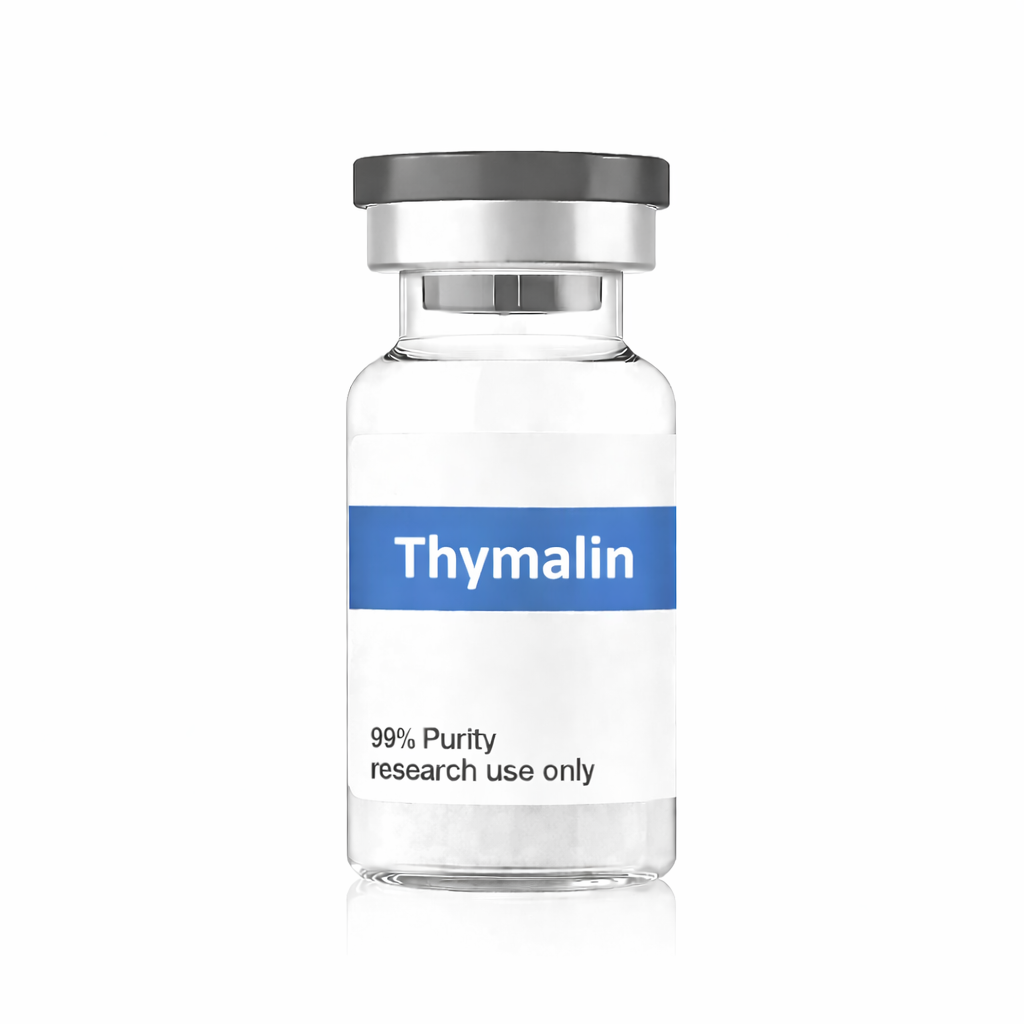
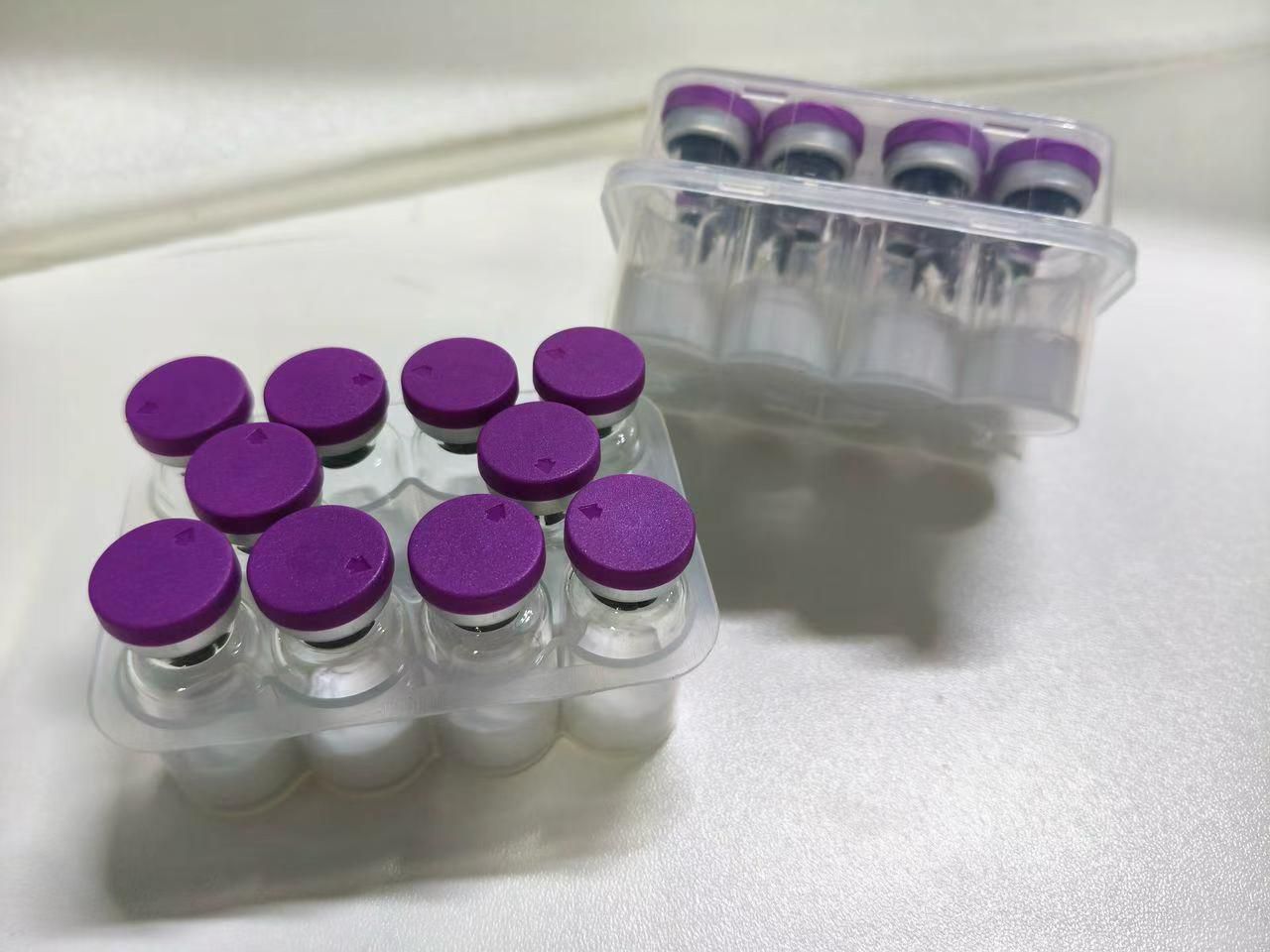
Thymalin is a thymus-derived peptide complex that continues to attract interest in peptide and biological research. People searching for buy thymalin, thymalin peptide, or thymalin for sale are often looking for more than a product listing. They also want to understand what Thymalin is, how it differs from other thymic compounds, and what quality documentation should accompany a research product.
At Grey Peptide Market, our approach is to make peptide information easier to understand while providing clear product specifications and supporting documentation where available. Thymalin products should be considered strictly within an appropriate research and laboratory context and are not presented as approved treatments for medical conditions.
Thymalin Peptide: An Overview
Thymalin is generally described as a preparation or complex of low-molecular-weight peptides derived from thymic tissue. Unlike a single synthetic peptide with one defined amino-acid sequence, Thymalin is commonly discussed as a thymic peptide preparation or extract.
This distinction is important when evaluating products labelled “Thymalin.” Researchers should consider the identity of the material, the stated composition, manufacturing information, analytical documentation, and the specific batch being supplied.
The scientific literature surrounding Thymalin includes historical and experimental research, but the available evidence should not be interpreted as proof of a particular clinical benefit. Modern research should also take into account differences in preparation, analytical methods, and study quality.
Buy Thymalin for Research
When searching for buy thymalin or thymalin buy, product quality and documentation should be considered alongside price and availability.
A research-oriented Thymalin product page should provide useful information such as:
- Product name and stated identity
- Available quantity
- Batch or lot information
- Certificate of Analysis where available
- Analytical testing information
- Storage information supplied by the manufacturer
- Research-use designation
- Supplier contact information
A Certificate of Analysis, commonly called a COA, can help researchers evaluate the documentation associated with a particular batch. Depending on the product and laboratory, analytical documentation may include information relating to identity, purity, or other quality-control parameters.
Researchers should always review the actual documentation supplied with the specific product rather than relying solely on general statements about peptide quality.
Thymalin for Sale: What Should You Check?
Searches for thymalin for sale can produce products from different suppliers with different specifications. Because the name Thymalin can refer to a thymic peptide preparation rather than one universally standardized molecular sequence, comparing products requires more than looking at the headline price.
Before selecting a research material, consider:
1. Product identity
Check exactly how the supplier describes the material. The product should not be confused with similarly named thymic compounds.
2. Batch documentation
Look for batch-specific documentation whenever available. A COA should correspond to the lot or batch being supplied.
3. Analytical information
Review what testing has actually been performed and which laboratory or analytical method is identified in the documentation.
4. Research-use labeling
Research materials should be clearly identified for their intended laboratory use. They should not be marketed as substitutes for approved medicines or as guaranteed treatments.
5. Transparent product information
A useful supplier page should make important product details accessible rather than relying entirely on unsupported claims.
Thymalin vs Thymosin Alpha-1
One of the most important questions surrounding Thymalin is Thymalin vs Thymosin Alpha-1.
Although both are associated with thymic research, they are not the same substance.
Thymosin Alpha-1 is a defined peptide consisting of 28 amino acids. It has been extensively investigated in immunological and infectious-disease research.
Thymalin, by contrast, is generally described as a thymic peptide extract or complex rather than one single defined 28-amino-acid molecule.
This difference matters when interpreting scientific literature. Research performed on Thymosin Alpha-1 should not automatically be attributed to Thymalin, and research involving Thymalin should not automatically be used to make conclusions about Thymosin Alpha-1.
For researchers comparing the two, useful comparison points include molecular identity, preparation, analytical characterization, published research, regulatory status, and intended experimental application.
Thymalin vs Thymulin
Another frequent search is Thymalin vs Thymulin.
Despite the similar names, these are distinct substances.
Thymulin is generally described as a small thymic peptide associated with zinc-dependent biological activity. Thymalin, in contrast, is generally described as a thymic peptide preparation or complex.
The names therefore should not be treated as interchangeable.
When researching either compound, researchers should verify the exact material being discussed in a paper, laboratory protocol, product listing, or analytical document.
Why Product Documentation Matters
Peptide research depends heavily on accurate identification and appropriate analytical controls.
For a product such as Thymalin, documentation can be particularly useful because the term may describe a peptide preparation or complex rather than a single universally defined synthetic molecule.
A well-documented product page should therefore provide researchers with enough information to distinguish:
Product identity → Batch information → Analytical documentation → Research designation → Storage information
This approach makes it easier to compare research materials objectively.
Understanding Thymalin Research
Historical research has investigated thymic peptide preparations in relation to immune-system biology and other areas of experimental science. However, the quality and applicability of evidence can vary substantially between studies.
Some available literature is historical, while other information comes from laboratory or experimental research. Results from experimental research should not automatically be interpreted as established clinical outcomes.
For this reason, researchers should examine:
- Study design
- Experimental model
- Sample size
- Analytical methods
- Publication date
- Reproducibility
- Whether findings have been independently replicated
This is especially important when online product pages make broad claims that go beyond the underlying scientific evidence.
Choosing a Thymalin Research Supplier
If you are researching where to obtain Thymalin for legitimate laboratory purposes, consider the overall quality of the supplier’s information rather than focusing only on price.
Important supplier characteristics can include:
- Clear product descriptions
- Accessible COA documentation
- Batch identification
- Transparent contact information
- Clearly stated research-use limitations
- Consistent product labeling
- Straightforward ordering and shipping information
Grey Peptide Market provides a broader peptide catalog and maintains a dedicated COA section for product documentation. Our goal is to make research-product information straightforward to locate and review.
Frequently Asked Questions
What is Thymalin?
Thymalin is generally described as a thymic peptide extract or complex used in biological and laboratory research. It should not automatically be treated as synonymous with Thymosin Alpha-1 or Thymulin.
Is Thymalin the same as Thymosin Alpha-1?
No. Thymosin Alpha-1 is a defined 28-amino-acid peptide, while Thymalin is generally described as a thymic peptide preparation or complex. The two should be evaluated separately when reviewing scientific literature.
Is Thymalin the same as Thymulin?
No. Thymalin and Thymulin are distinct thymic compounds with different identities and characteristics.
What should I look for when buying Thymalin for research?
Researchers should review product identity, batch information, available analytical documentation, COA information, research-use labeling, and supplier transparency.
What does a Thymalin COA show?
A Certificate of Analysis provides analytical information associated with a particular product batch. The exact information depends on the testing performed and the laboratory issuing the report.
Why is Thymalin sometimes described as a peptide complex?
Unlike a single synthetic peptide defined by one amino-acid sequence, Thymalin is commonly described as a preparation containing thymic peptides. This is why product identity and analytical documentation are important.
Can Thymalin research be used to establish medical benefits?
Research findings should not automatically be interpreted as established medical benefits. Experimental results depend on the study design, model, methodology, and available evidence.
Research-Use Disclaimer
Thymalin products discussed or supplied through a research catalog are intended for legitimate laboratory and scientific research applications only. They are not presented as approved medicines, dietary supplements, or treatments for disease. Nothing on this page should be interpreted as medical advice or a recommendation for human use. Researchers are responsible for following applicable laws, institutional requirements, laboratory procedures, and appropriate safety protocols.
Explore Thymalin Research Information
If you are researching Thymalin peptide, start by confirming exactly which compound or preparation is being discussed. Understanding the difference between Thymalin, Thymosin Alpha-1, and Thymulin can help prevent confusion when comparing scientific publications and product documentation.
For researchers evaluating Thymalin materials, transparent product information, batch-specific documentation, and appropriate research-use labeling are important parts of the purchasing evaluation process.





Reviews
There are no reviews yet.