
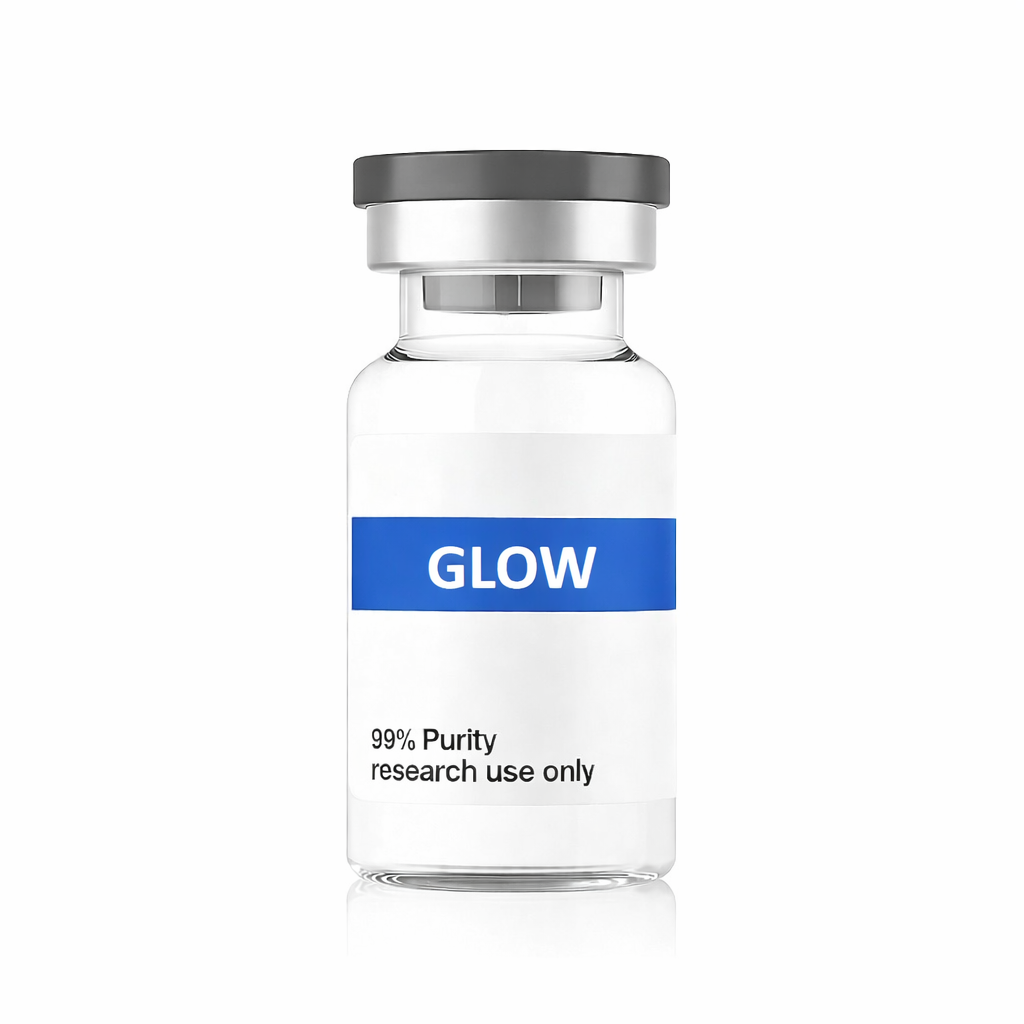


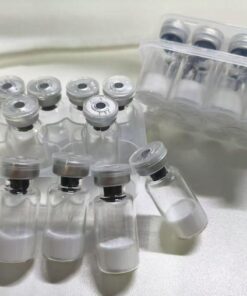
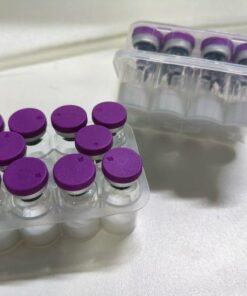


Glow Peptide – GHK-Cu, BPC-157 & TB-500 Research Blend
Glow Peptide is a multi-peptide research blend that combines GHK-Cu, BPC-157, and TB-500 in a single formulation. Often referred to as the Glow Stack Peptide, this combination has gained attention among researchers because each component is associated with a different area of peptide research.
At Grey Peptide Market, our GLOW blend contains 50 mg GHK-Cu, 10 mg BPC-157, and 10 mg TB-500, providing 70 mg of total peptide material per vial.
Although the name “GLOW” has become widely used, it is important to understand that Glow Peptide is not the scientific name of one specific peptide. It is a commercial term used for a combination of several research peptides. Formulations can therefore differ between suppliers.
For researchers comparing Glow Peptides, understanding the ingredients, concentrations, available documentation, and research surrounding each component is more useful than relying on the GLOW name alone.
What Is Glow Peptide?
Glow Peptide is generally used to describe a blend containing GHK-Cu, BPC-157, and TB-500.
These are three distinct compounds rather than different forms of the same peptide. Each has been investigated independently, although the amount and quality of available research varies considerably.
The combination has become commonly known as the Glow Stack because of interest surrounding GHK-Cu and skin biology alongside broader research involving BPC-157 and thymosin beta-4-related compounds.
The name should not, however, be interpreted as proof of a particular biological or cosmetic result.
The complete GLOW combination does not have the same body of evidence as its individual ingredients, and findings involving one component cannot automatically be attributed to the entire blend.
What’s Inside the Glow Stack Peptide?
The Grey Peptide Market GLOW formulation combines:
GHK-Cu is a naturally occurring copper-binding tripeptide. It has been studied in areas including extracellular matrix biology, skin-related processes, collagen-associated mechanisms, and tissue remodeling.
BPC-157 is a synthetic 15-amino-acid peptide that has primarily been investigated through laboratory and animal research. It has attracted research interest involving gastrointestinal and tissue-related biological processes.
TB-500 is associated with research surrounding thymosin beta-4. Thymosin beta-4 has been investigated for its involvement in biological processes including cellular migration and tissue response.
Together, the formulation provides 70 mg of peptide material.
Researchers should always check the individual quantities when comparing Glow Peptides because GLOW is not a universally standardized formulation.
How Does Glow Peptide Differ From a Single Peptide?
A standard single-peptide product contains one defined peptide. The Glow Peptide stack combines multiple compounds within the same vial.
This distinction matters.
For example, research conducted specifically on GHK-Cu does not establish that a combination of GHK-Cu, BPC-157, and TB-500 will produce identical findings.
Similarly, research involving BPC-157 alone cannot automatically be applied to a multi-peptide GLOW formulation.
Researchers evaluating a blend should therefore consider each ingredient individually as well as the formulation as a whole.
Clear labeling is particularly important. Instead of relying on a general statement such as “70 mg GLOW,” researchers should be able to identify exactly how much of each component is present.
Why Has the Glow Peptide Stack Attracted Research Interest?
Interest in Glow Peptide largely comes from the different research areas associated with its individual components.
GHK-Cu has a longer history of research involving skin biology, extracellular matrix activity, and copper-related cellular processes.
BPC-157 has attracted considerable interest from laboratory researchers, although much of the frequently discussed evidence comes from animal and preclinical studies rather than established human clinical use.
Thymosin beta-4 and related compounds have also been studied in areas involving cell migration and tissue biology.
Bringing these components together created what the peptide market commonly calls the Glow Stack Peptide.
However, the popularity of a particular peptide combination should not be confused with clinical validation.
Researchers should distinguish between evidence concerning individual ingredients, experimental findings, anecdotal claims, and evidence concerning the complete formulation.
Glow Peptide Research
Understanding the evidence behind Glow Peptides requires looking beyond the product name.
GHK-Cu, BPC-157, and thymosin beta-4-related compounds have each appeared in scientific research, but they do not have identical levels or types of evidence.
GHK-Cu has been investigated for several decades, particularly in research associated with skin and extracellular matrix processes.
BPC-157 is frequently discussed in peptide communities, but much of its published evidence remains preclinical.
Thymosin beta-4 has also been investigated in experimental research involving several biological mechanisms.
The important distinction is that research on these individual compounds does not establish the effects of the complete GLOW blend.
A researcher evaluating Glow Peptide should therefore examine published literature for each component and avoid treating claims about the combined stack as established clinical outcomes.
Glow Peptide Dosage: What Researchers Should Know
Glow Peptide dosage is one of the most frequently searched topics surrounding the GLOW stack.
There is an important distinction between the amount of peptide contained in a vial and a clinically established dosage.
The Grey Peptide Market GLOW formulation contains:
50 mg GHK-Cu
10 mg BPC-157
10 mg TB-500
These quantities describe the composition of the product. They are not instructions for human administration.
There is currently no standardized, FDA-approved human dosage for the complete GHK-Cu, BPC-157, and TB-500 Glow Peptide combination.
Researchers may encounter Glow Peptide dosage charts, calculators, schedules, and protocols on websites or online communities. Such material should not automatically be interpreted as medically validated dosing guidance.
Another issue is formulation variability.
Because GLOW is not a standardized pharmaceutical formulation, one supplier’s Glow Stack Peptide may contain different quantities or ratios from another supplier’s product.
This means a dosage figure associated with one GLOW formulation cannot simply be transferred to another.
For laboratory applications, experimental concentrations should instead be determined according to the specific study design, relevant scientific literature, and appropriate institutional research procedures.
Are All Glow Peptides the Same?
No.
One of the biggest misconceptions surrounding Glow Peptide products is that the word GLOW represents one standardized formulation.
It does not.
Different suppliers may use the GLOW name while offering different concentrations, ingredient ratios, or even formulations.
For this reason, researchers comparing Glow Peptides should examine the actual composition rather than comparing products only by their total milligram amount.
For example, two products may both be described as GLOW blends while containing different quantities of GHK-Cu.
The exact breakdown of each peptide provides a much clearer basis for comparison.
What Should You Look for When Comparing Glow Peptides?
Peptide research depends on knowing what material is being evaluated.
Start with the formulation.
The label should clearly identify the peptides included in the blend and the quantity of each component. Researchers should not have to guess what a generic total milligram figure represents.
Documentation is another important consideration.
Where available, analytical or batch documentation can provide additional information about the material associated with a particular product or batch.
Researchers should also compare identifying information across the product page, vial label, packaging, and associated documentation.
Consistency matters when materials are intended for controlled research environments.
Finally, avoid evaluating a peptide solely on dramatic marketing promises. Specific product information and supporting documentation are considerably more useful than claims that guarantee biological outcomes.
Glow Peptide vs GHK-Cu
Glow Peptide and GHK-Cu are not interchangeable terms.
GHK-Cu is one specific copper-binding peptide. GLOW is a blend in which GHK-Cu is typically one of several components.
A researcher interested exclusively in GHK-Cu may therefore choose a standalone GHK-Cu research product.
A Glow Stack, on the other hand, is designed around a multi-component formulation and commonly combines GHK-Cu with BPC-157 and TB-500.
Understanding this difference is particularly important when reviewing research papers. A study involving GHK-Cu alone should not be described as a study of Glow Peptide unless the complete formulation was actually evaluated.
Glow Peptide vs BPC-157
BPC-157 is another individual component commonly included in the GLOW blend.
Standalone BPC-157 contains that peptide without the additional GHK-Cu and TB-500 found in the GLOW formulation.
This allows researchers to distinguish studies involving a single experimental compound from studies or experiments involving several compounds simultaneously.
Again, observations associated with standalone BPC-157 cannot automatically be attributed to the complete Glow Peptide stack.
Glow Peptide Storage and Handling
Research peptides should be handled carefully and according to the specific product information supplied with the material.
Researchers should review the product label and associated documentation before storage or preparation. Temperature, light exposure, handling conditions, and whether a material has been reconstituted can affect how laboratory materials should be managed.
Maintaining accurate records is also good research practice.
Record information such as product identity, batch or lot information, date received, storage conditions, and relevant preparation details according to the requirements of the research environment.
Why Product Transparency Matters
The growing popularity of peptides has resulted in a large number of products appearing online under similar names.
That makes transparency particularly important.
Researchers should be able to determine what a product contains without relying on vague descriptions.
For a Glow Peptide blend, useful product information includes the identity of each component, its quantity, total peptide content, batch information, and available analytical documentation.
Grey Peptide Market identifies the composition of its GLOW formulation as 50 mg GHK-Cu, 10 mg BPC-157, and 10 mg TB-500.
Providing the individual quantities makes the formulation easier to understand and compare with other Glow Peptides.
Frequently Asked Questions About Glow Peptide
What is Glow Peptide?
Glow Peptide is a name commonly used for a multi-peptide research blend containing GHK-Cu, BPC-157, and TB-500. GLOW is a commercial formulation name rather than the scientific name of a single peptide.
What is the Glow Stack Peptide?
Glow Stack Peptide generally refers to the same multi-peptide concept as Glow Peptide. Common formulations combine GHK-Cu, BPC-157, and TB-500, although exact quantities can vary between products.
What peptides are included in GLOW?
The Grey Peptide Market GLOW formulation contains GHK-Cu, BPC-157, and TB-500. The formulation provides 50 mg GHK-Cu, 10 mg BPC-157, and 10 mg TB-500.
Is Glow Peptide the same as GHK-Cu?
No. GHK-Cu is an individual copper-binding peptide. Glow Peptide is generally a blend containing GHK-Cu alongside other peptides such as BPC-157 and TB-500.
What is the Glow Peptide dosage?
There is no standardized or FDA-approved human dosage for the complete Glow Peptide blend. The milligram quantities stated on a product describe its composition and should not be interpreted as instructions for human administration.
Are all Glow Peptides identical?
No. GLOW is not a universally standardized formulation. Different products may contain different quantities or ratios of GHK-Cu, BPC-157, and TB-500. Always review the exact formulation rather than relying solely on the GLOW name.
Is Glow Peptide one peptide or a blend?
It is generally a blend. The name GLOW is commonly used for formulations combining several research peptides rather than one individual peptide.
Why is GHK-Cu included in the Glow Stack?
GHK-Cu has been investigated in scientific research involving copper signaling, extracellular matrix processes, and skin-related biology. Its inclusion is one reason the blend has become associated with the name “GLOW,” although the name itself does not establish a particular clinical outcome.
Explore Glow Peptide at Grey Peptide Market
Researchers interested in Glow Peptide should focus on clear formulation information, appropriate documentation, and the scientific evidence associated with each individual component.
Grey Peptide Market’s GLOW formulation combines 50 mg GHK-Cu, 10 mg BPC-157, and 10 mg TB-500 in one 70 mg research blend.
Before selecting any Glow Stack Peptide, review the complete composition and available product documentation so you know exactly what material is being evaluated.
For research purposes only. Not intended for human consumption, diagnosis, treatment, cure, or prevention of disease.
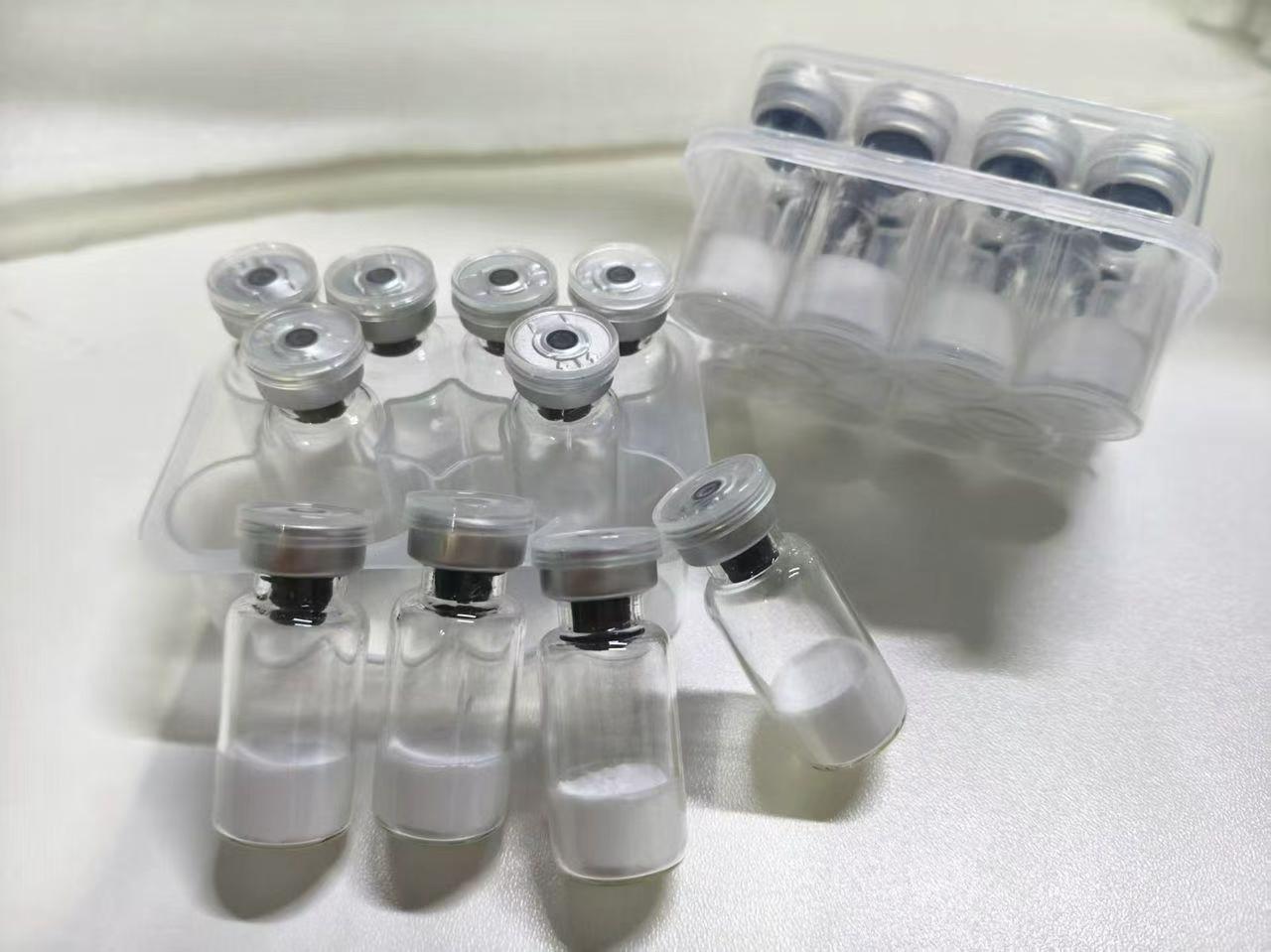
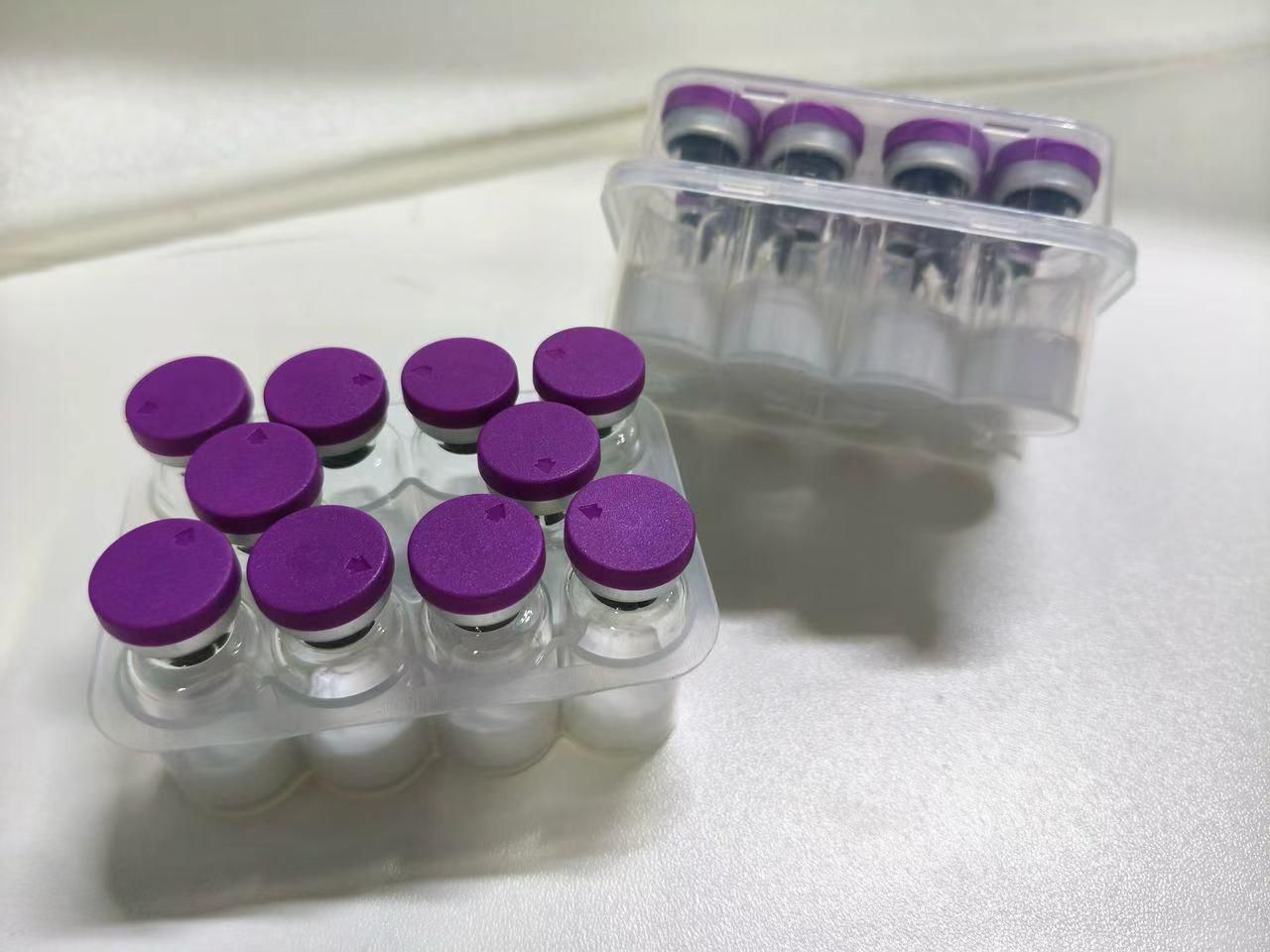
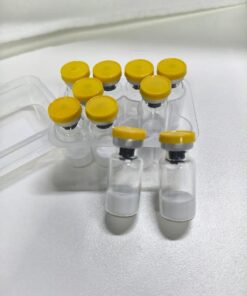
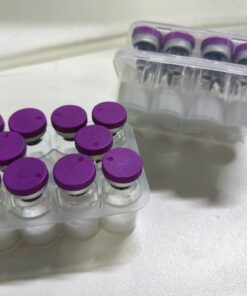
| MG | 70mg*10vials |
|---|
Reviews
There are no reviews yet.
Related products
peptide
peptide
peptide
peptide
peptide
peptide
peptide
Be the first to review “GLOW-TB10mg+BPC10mg+GHK50mg”